Installing a mini split system on your own can seem like an appealing way to save money and gain control over your home’s heating and cooling. These systems are known for their efficiency, quiet operation, and flexibility in managing temperature in specific zones. However, deciding whether a DIY mini split installation is worth it requires careful consideration of several factors including technical skill, tools needed, warranty implications, and long-term performance.
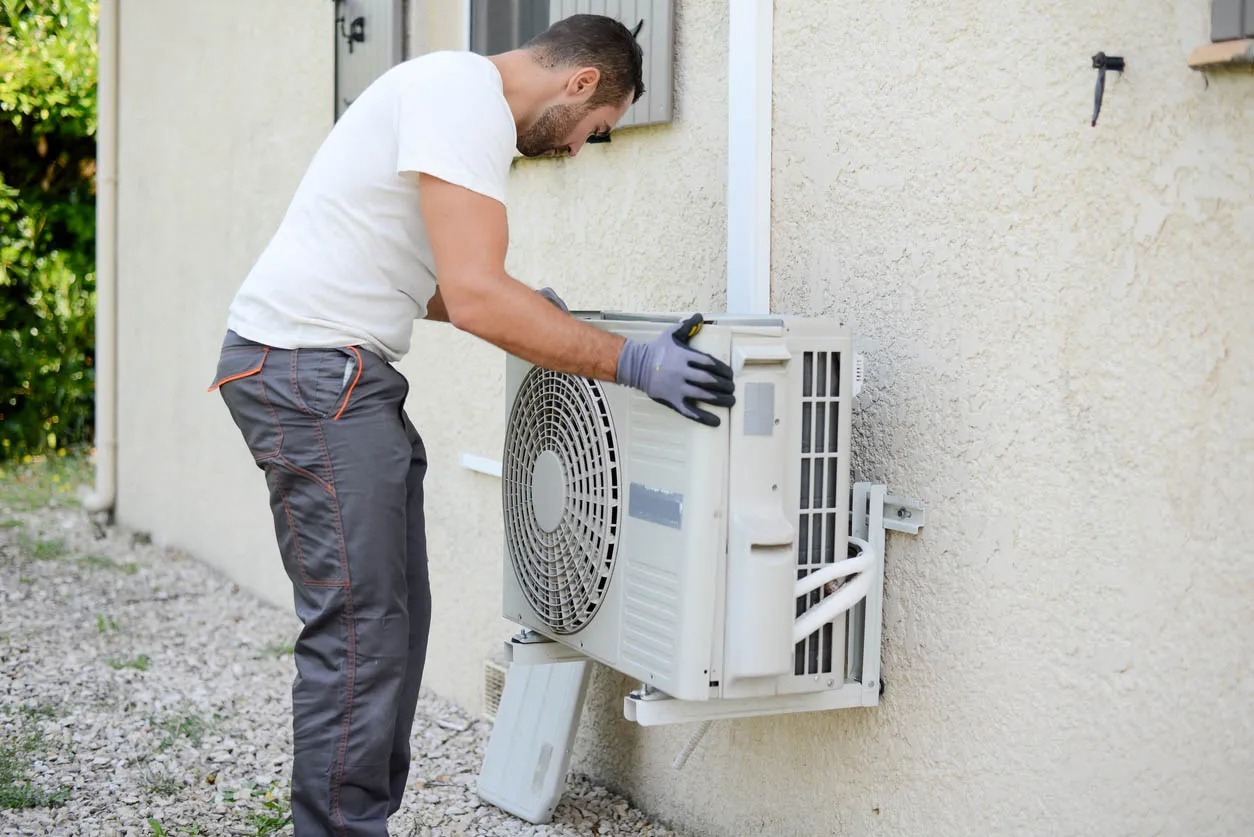
Mini splits consist of an indoor air-handling unit connected to an outdoor compressor through refrigerant lines. Proper installation is critical because the system relies on precise handling of these refrigerants as well as accurate electrical connections. For someone without HVAC experience, this process can be challenging. It involves mounting units securely, drilling holes for piping, running copper lines between indoor and outdoor components while avoiding kinks or damage, vacuuming air from the refrigerant lines to prevent moisture buildup, charging the system with the correct amount of refrigerant if not pre-charged by length adjustments, and ensuring proper electrical wiring that complies with local codes.
While many manufacturers offer DIY-friendly kits with step-by-step instructions designed for homeowners who have some mechanical aptitude or previous experience working with home improvement projects, mistakes during installation might lead to reduced efficiency or even permanent damage to the unit. Improper vacuuming or charging can cause poor cooling performance or compressor failure down the line. Additionally, incorrect electrical work may pose safety risks such as short circuits or fire hazards.
Another important aspect is warranty coverage. Some brands require professional installation by certified technicians for warranties to remain valid. Installing yourself could void these protections if something goes wrong later due to improper setup rather than product defects. This risk should be weighed against potential savings from avoiding labor fees charged by HVAC contractors.
On the financial side, hiring a professional ensures compliance with local regulations and building codes which vary widely depending on location; non-compliance might result in fines or difficulties when selling your property later on. Professionals also have access to specialized tools like micron gauges for evacuating air from refrigerant lines accurately-tools that most homeowners do not own.
In summary, a DIY Mini Split installation might be worthwhile only if you possess adequate technical skills related to refrigeration systems and electrical work along with patience to follow detailed instructions carefully. If you lack confidence in these areas or want peace of mind regarding warranty protection and code compliance, investing in professional installation will likely provide better long-term value despite higher upfront costs. Ultimately, balancing cost savings against potential risks will help determine whether doing it yourself makes sense for your specific situation.